
Capsules stay fresh by sealing ground coffee away from oxygen, moisture and light. Aluminium shells act as a barrier, vacuum sealing and nitrogen flushing displace the air inside, and grounds are packed immediately after grinding. Store them somewhere cool and dark.
Preserving the freshness and flavor of coffee is a paramount concern for both consumers and manufacturers. Coffee capsules (sold out — try Yemeni Matari Capsules) have emerged as a popular solution, offering convenience without compromising taste. This preservation is achieved through advanced technologies and meticulous processes designed to maintain the coffee’s integrity from production to consumption.
The Challenge of Maintaining Coffee Freshness

Once coffee beans are roasted, they begin to undergo chemical changes that can lead to a loss of flavor and aroma. Exposure to oxygen, moisture, and light accelerates these degradative processes, causing the coffee to become stale. Therefore, protecting roasted coffee from these elements is essential to preserve its desirable qualities.
Also Read- What Is Single-Origin Coffee And Why Does It Matter?
Role of Packaging Materials
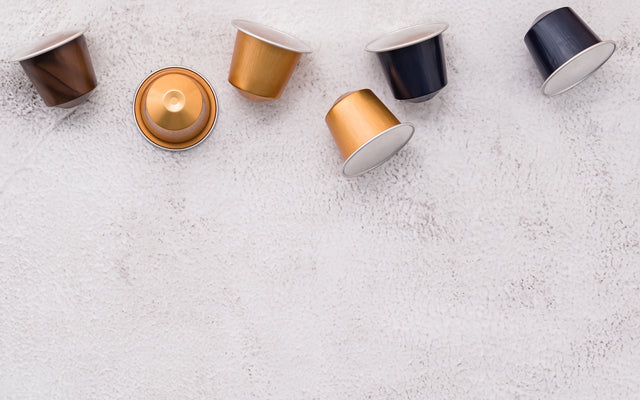
The choice of packaging material plays a crucial role in safeguarding coffee from environmental factors. Aluminum has become a preferred material for coffee capsules due to its excellent barrier properties. It effectively prevents oxygen and moisture from penetrating the capsule, thereby preserving the coffee’s freshness over extended periods. Additionally, aluminum is impermeable to light, further protecting the coffee’s delicate flavors. Moreover, aluminum is highly recyclable, aligning with environmental sustainability efforts.
Sealing Techniques

The sealing process of coffee capsules is another critical factor in maintaining freshness. Advanced sealing methods ensure that the capsule remains airtight, preventing any exchange of gases or exposure to external contaminants. Techniques such as vacuum sealing remove air from within the capsule before it is sealed, minimizing the presence of oxygen that could lead to oxidation. Some manufacturers also employ the use of oxygen-absorbing materials within the capsule to further enhance shelf life.
Nitrogen Flushing
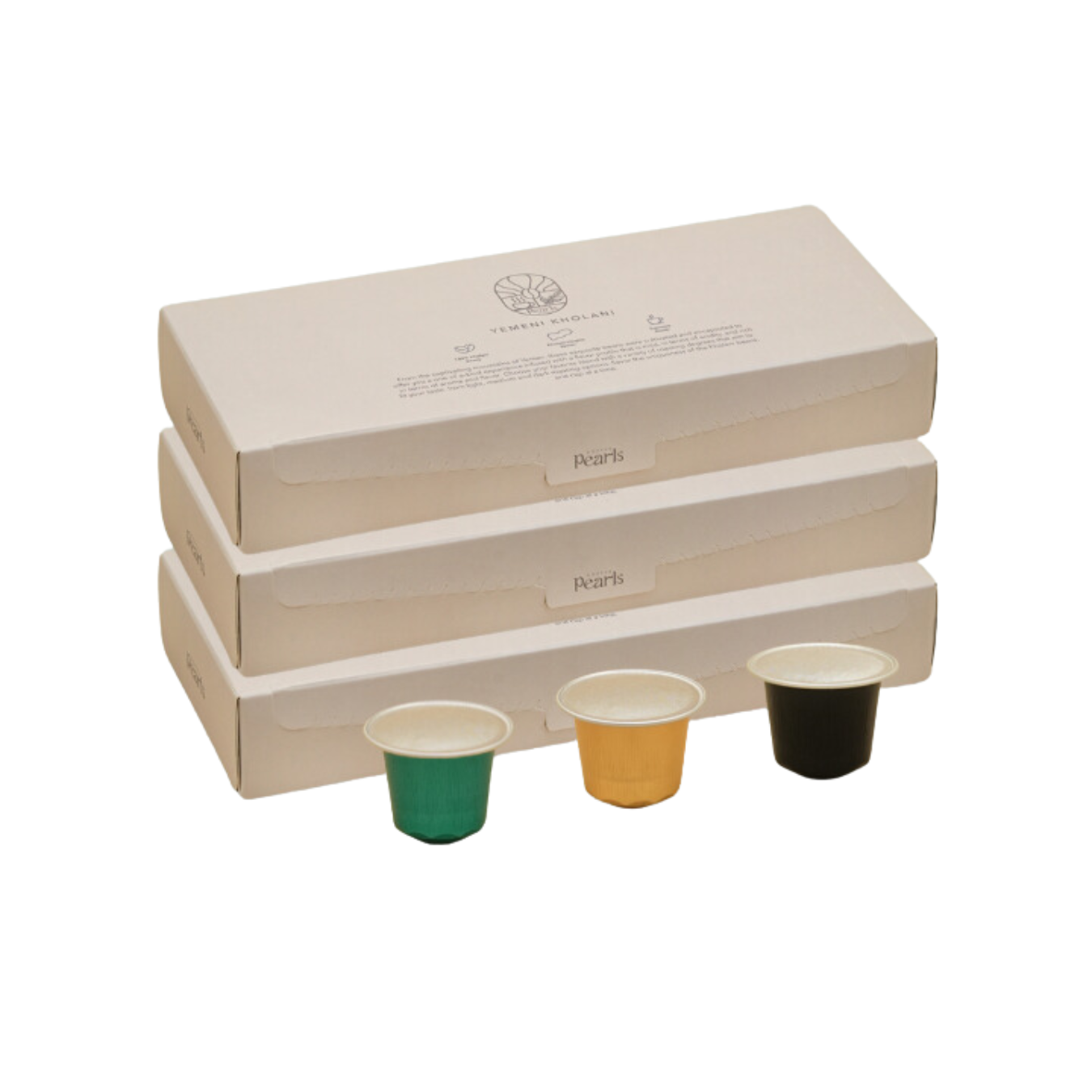
To combat oxidation, many coffee producers utilize nitrogen flushing. This process involves replacing the oxygen inside the capsule with nitrogen, an inert gas that does not react with the coffee compounds. By creating a low-oxygen environment, nitrogen flushing significantly slows down the degradation process, effectively preserving the coffee’s aroma and flavor for a longer duration.
Innovations in Capsule Design
Recent advancements have led to the development of compostable coffee capsules that maintain freshness without the need for additional packaging. These capsules are designed with high-barrier materials that protect against oxygen and moisture ingress, ensuring the coffee remains fresh while also addressing environmental concerns.
Also Read- The Most Popular Coffee Capsule Flavors In Different Countries
Impact of Grinding and Degassing
The grinding process increases the surface area of the coffee, making it more susceptible to oxidation. To mitigate this, capsules are filled and sealed immediately after grinding, capturing the coffee at its peak freshness. Additionally, roasted coffee releases carbon dioxide in a process known as degassing. Properly timed sealing allows for the escape of excess CO2 while preventing oxygen from entering, balancing freshness with optimal flavor retention.
Also Read- Single-Origin Coffee Capsules Vs. Blends: Which One Is Better?
Storage Conditions
While the capsule itself provides a protective environment, external storage conditions also influence coffee freshness. Storing capsules in a cool, dry place away from direct sunlight helps maintain their integrity. Extreme temperatures and humidity can compromise the capsule’s seal and the coffee’s quality, so proper storage is essential for preserving flavor.
Also Read- Hydration And Coffee Capsules: What To Consider During Suhoor
Conclusion
The science behind coffee capsule (sold out — try Yemeni Matari Capsules) freshness encompasses a combination of material selection, innovative packaging technologies, and controlled storage practices. By understanding and implementing these factors, manufacturers can deliver a consistently fresh and flavorful coffee experience, meeting the high expectations of consumers worldwide.
Leave a comment