
Yemen is where coffee was first cultivated as a crop, from the fifteenth century, when Sufi monks drank it to stay awake during prayer. The port of Mocha became the centre of the coffee trade, and Yemen held a monopoly for centuries.
Coffee. It’s the lifeblood of millions, a morning ritual, an afternoon pick-me-up, and for some, a passion. But where did this ubiquitous beverage originate? While the coffee plant itself is native to Ethiopia, it was in Yemen that coffee was first cultivated and transformed into the drink we know and love today. This article delves into the fascinating history of Yemeni coffee (sold out — try Yemeni Matari Beans), exploring its origins, its rise to prominence, and the challenges it faces in the modern world.
The Discovery of Coffee

Legend has it that coffee was discovered in Ethiopia by a goatherd named Kaldi who noticed his goats acting unusually energetic after nibbling on the berries of a certain shrub. Intrigued, Kaldi tried the berries himself and experienced a similar invigorating effect. He shared his discovery with local monks who, after initially discarding the berries, decided to brew them into a drink. This marked the beginning of coffee consumption.
Also Read- What Is Single-Origin Coffee And Why Does It Matter?
Coffee Comes to Yemen
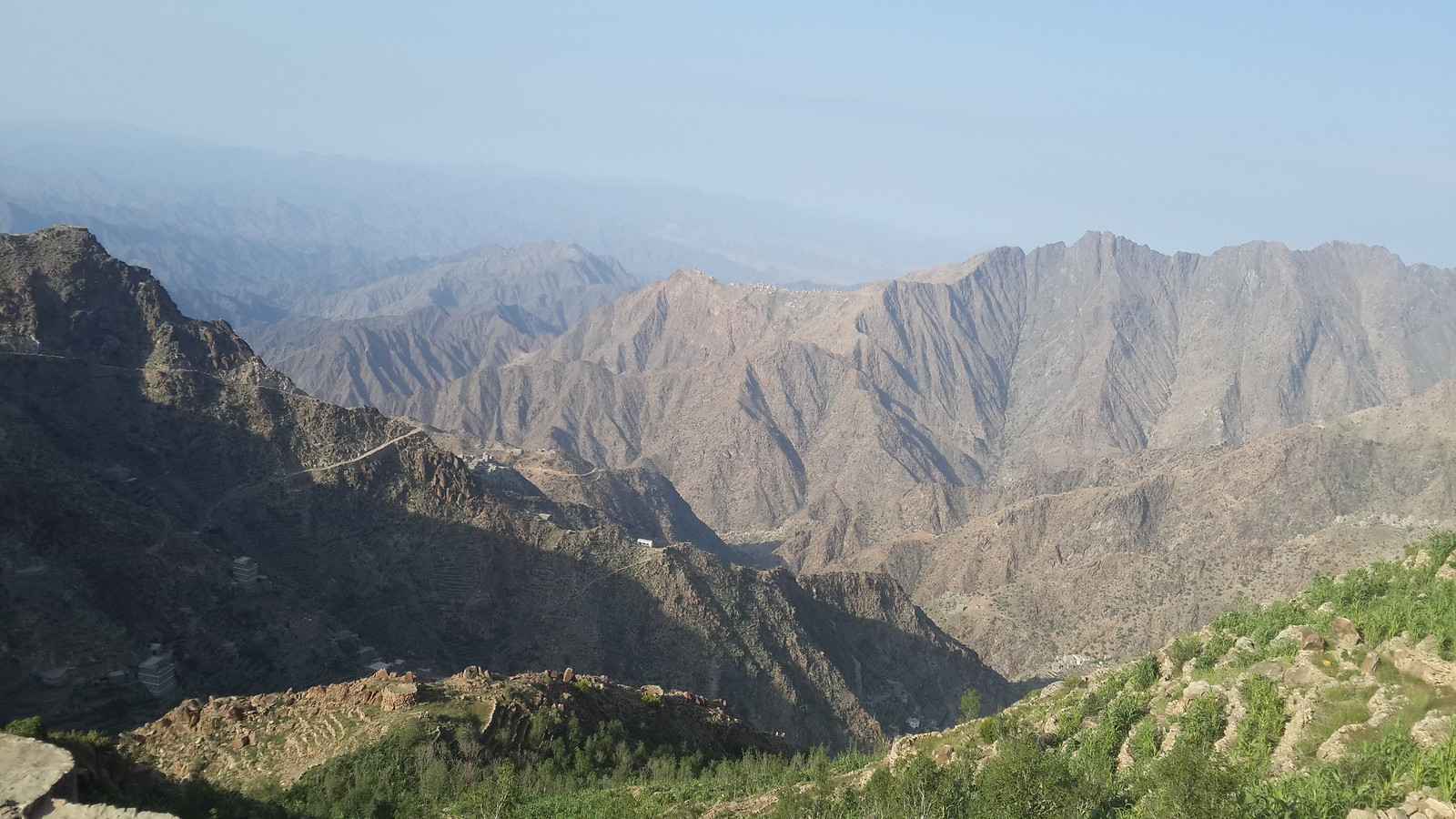
Coffee cultivation and consumption first took root in Yemen in the 15th century. Sufi monks, seeking a way to stay awake during their prayers and meditations, embraced coffee for its stimulating properties. They cultivated the coffee plant and developed methods for processing the beans, laying the foundation for the coffee industry.
Also Read- The Most Popular Coffee Capsule Flavors In Different Countries
Mocha: The Heart of the Coffee Trade

The port city of Mocha, located on Yemen’s Red Sea coast, became the epicenter of the coffee trade. For centuries, Yemen held a monopoly on coffee production, and Mocha served as the gateway for coffee to reach the rest of the world. The name “Mocha” became synonymous with high-quality coffee, and even today, it is used to describe a specific type of coffee drink.
Also Read- Yemeni Coffee-Infused Date Smoothie: A Perfect Suhoor Recipe
The Spread of Coffee Culture

From Yemen, coffee spread to the Ottoman Empire and then to Europe. Coffee houses sprang up across the continent, becoming centers of social and intellectual life. Coffee played a significant role in the Enlightenment, fueling discussions and debates that shaped the modern world.
Also Read- Exploring The Bold Flavors Of Yemeni Coffee Beans: A Coffee Lover’s Guide
Yemeni Coffee Today

Despite its rich history, the Yemeni coffee industry faces numerous challenges today. Political instability, conflict, and economic hardship have taken a toll on coffee production. However, Yemeni farmers continue to cultivate coffee using traditional methods, preserving the unique flavors and aromas that have made Yemeni coffee so prized for centuries.
Also Read- Why Choose Coffee Capsules Made With Yemeni Coffee Beans?
The Unique Qualities of Yemeni Coffee

Yemeni coffee is known for its distinctive flavor profile, often described as complex, earthy, and fruity. The unique terroir of Yemen, with its high altitudes, arid climate, and volcanic soil, contributes to the coffee’s unique characteristics. The traditional dry-processing method, in which the coffee cherries are sun-dried with the fruit still attached, also plays a role in developing the coffee’s flavor.
The Future of Yemeni Coffee

Despite the challenges it faces, the future of Yemeni coffee remains promising. There is a growing global demand for specialty coffee, and Yemeni coffee, with its unique flavors and rich history, is well-positioned to capture a share of this market. Organizations like Qima Coffee are working to support Yemeni farmers and promote the country’s coffee industry, helping to ensure that Yemeni coffee continues to thrive for generations to come.
Conclusion
Yemeni coffee (sold out — try Yemeni Matari Beans) holds a special place in the history of coffee. It was in Yemen that coffee was first cultivated and transformed into the beverage we enjoy today. From the port of Mocha, coffee spread across the globe, shaping cultures and fueling intellectual movements. While the Yemeni coffee industry faces challenges, its rich history and unique flavors ensure that it will continue to be a prized commodity for coffee lovers around the world.
Leave a comment